

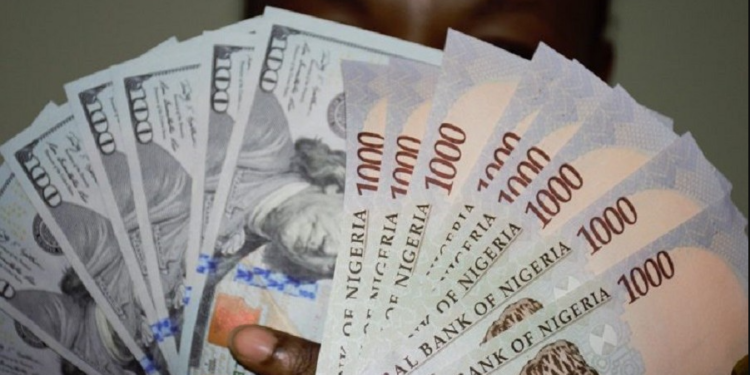
The Nigerian currency maintained its bullish momentum, reaching a four-month high against the US dollar and closing at N1,518/$ on the Nigerian Foreign Exchange Market, the country’s official exchange market.
CBN data showed the Nigerian naira settled at 1518/$ on Monday.
This is the naira’s strongest level against the greenback since March and the first time it has fallen below N1520/$ since then, indicating that the country’s currency is within range to break the psychological N1500/$ level.
Nigeria’s Apex Bank’s direct involvement, which included a $50 million sale last week and a successful OMO auction, drew interest from international investors.
Nigerian banks have lifted the moratorium on using naira-funded debit cards for international transactions amid improved dollar liquidity. This restriction had been in place for over three years. Major Nigerian banks like United Bank for Africa (UBA), FirstBank, GTBank, and Wema Bank have announced the resumption of international transactions on naira debit cards.
This change comes almost three years after several banks suspended international transactions on naira debit cards due to a dip in dollar liquidity, which led many local lenders to limit the use of domestic cards overseas. Transactions are still permitted on dollar-funded cards, usually linked to cardholders’ domiciliary accounts.
Current fundamentals show robust foreign portfolio inflows and ongoing dollar liquidity from CBN interventions, suggesting that exchange rate pressures are likely to stay contained over the long term.
Furthermore, the gradual resumption of international transactions on Naira debit cards, as announced by some banks, improved the perception of Nigeria’s foreign exchange market, especially considering the ongoing depth and participation in the official FX window.
The outlook for the naira also improved as Nigeria’s average daily production of crude oil increased to 1,547 million barrels per day (bpd) in June, the highest level since January.
Nigeria’s most recent oil production figures released by the Organization of Petroleum Exporting Countries (OPEC) showed June’s output is the highest since January, with a 3.58 per cent increase over May’s production of 1.453 million barrels per day.