

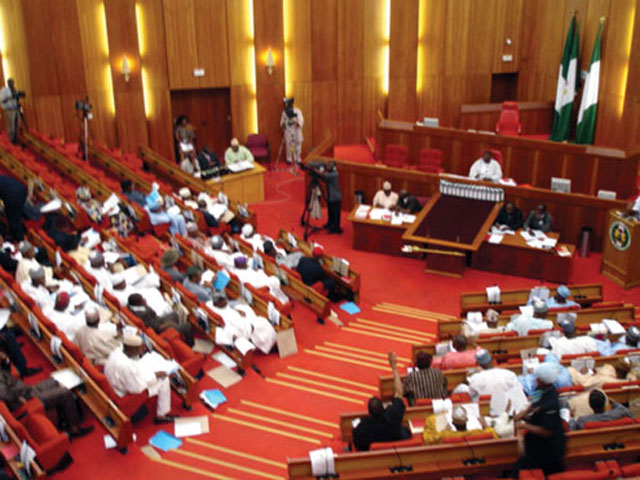
Abuja, October 14, 2025 — Nigeria’s next general elections may be held six months earlier than usual, as the National Assembly has proposed shifting the polls to November 2026, instead of the traditional February timeline.
The proposal is contained in the Electoral Act (Amendment) Bill 2025, which was unveiled on Monday during a joint public hearing organised by the Senate and House of Representatives Committees on Electoral Matters in Abuja.
The bill seeks to repeal the 2022 Electoral Act and enact a new Electoral Act 2025. It attracted widespread interest from lawmakers, civil society organisations, electoral experts, and other stakeholders at the one-day session.
According to the draft amendment, “Elections into the office of the President and Governor of a State shall be held not later than 185 days before the expiration of the term of office of the last holder of the office.”
The shift aims to ensure that all election-related litigations are concluded before the constitutionally mandated handover date of May 29, 2027. Legal battles from previous elections have often extended dangerously close to inauguration dates, sometimes undermining the credibility of the process.
However, lawmakers at the hearing acknowledged that adjusting the election timeline alone may not solve the problem unless the judiciary is better equipped to handle the high volume and complexity of electoral cases.
If passed into law, the amendment would place presidential and governorship elections in November 2026, six months before the current administration’s tenure ends—marking a significant change in Nigeria’s electoral calendar.
Other key provisions in the proposed Electoral Act 2025 include:
- Voting rights for inmates
- Early voting for Nigerians in the diaspora
- Mandatory use of the National Identification Number (NIN) for voter registration
- Compulsory electronic transmission of election results
The proposed reforms signal a broader push to enhance transparency, inclusivity, and efficiency in Nigeria’s electoral process. However, the bill still requires extensive deliberation and passage by both chambers of the National Assembly before it can be signed into law.