

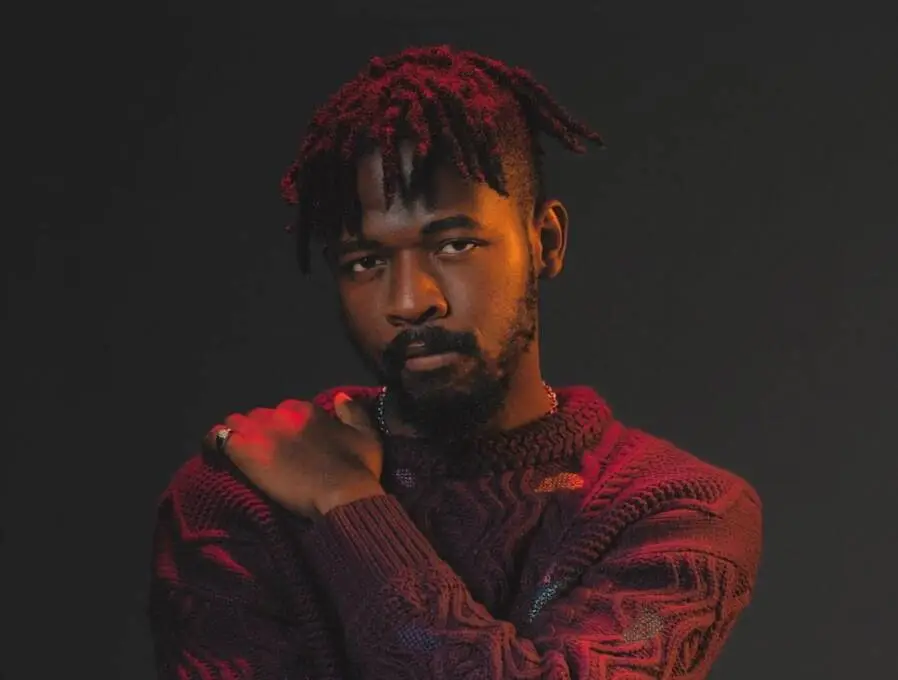
Nigeria — October 15, 2025
Nigerian singer-songwriter Johnny Drille has shared candid insights about his evolving relationship with the church and how his music has transcended traditional Christian boundaries.
In a recent interview on the CreativiTEA podcast, the How Are You (My Friend) hitmaker expressed that while his faith remains strong and he is actively involved in church life, his music doesn’t always fit within conventional church settings.
“For me, I love God. I am very much involved in church. But I never really felt my music was in church. Every now and then, I get invited to churches to sing, which is kind of interesting,” Johnny Drille said.
The Mavin Records artist also addressed occasional criticism from the Christian community regarding his performances in church venues. He emphasized that although his music isn’t strictly gospel, it carries positive and uplifting messages.
“I’ve gotten a bit of backlash from my Christian community every now and then when they invite me to churches. But at the end of the day, the music is positive. It speaks to good things that sometimes the church doesn’t want to talk about,” he explained.
Drille highlighted that the church often avoids addressing themes of love, despite its importance. “The church shies away from talking about love. A lot of times you go for some Christian weddings and you hear Davido and Wizkid. What if the church decides that we want to start doing our own Christian love songs?” he proposed.
Reflecting on his early days as a music director in church, Johnny Drille said that experience was formative, even though his personal style didn’t align with traditional worship music.
“There is a place for worship music, but there is also music about so much that the church could be singing about. For me, I didn’t feel my music had a place in the church at the time. I was a music director, I was directing the choir, not singing in front of the church, but I think it did help me become the musician that I am today,” he said.
Johnny Drille’s journey underscores the growing diversity within Nigerian Christian music and highlights conversations about expanding the themes embraced in faith-based art.