

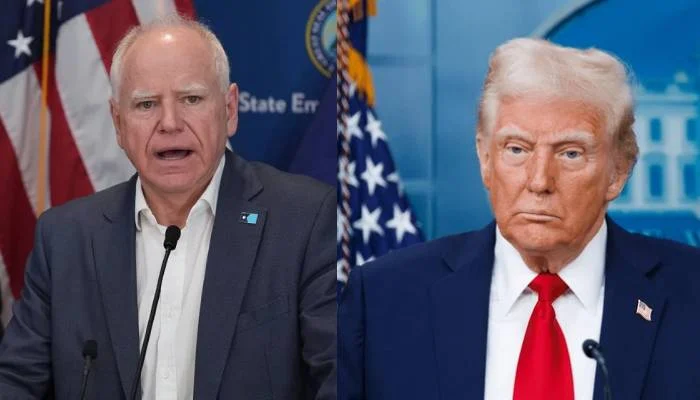
The call comes amid widespread public outcry after two U.S. citizens were killed in separate incidents this month during federal immigration enforcement operations in Minnesota’s largest city. The most recent victim, 37‑year‑old Alex Pretti, an intensive‑care nurse, was shot by federal agents during an immigration enforcement action, intensifying protests and political pressure on both state and federal leaders.
According to Walz’s office, the governor used the conversation to press Trump on the urgent need for impartial and transparent investigations into the shootings and advocated for a reduction in the number of federal agents deployed in the state. Walz’s spokesperson said Trump agreed to talk with the Department of Homeland Security about allowing the Minnesota Bureau of Criminal Apprehension to conduct an independent inquiry — something state officials have repeatedly demanded.
In a social media post, Trump described the call as “very good,” suggesting that both leaders were “on a similar wavelength” about working together on immigration and public safety issues in Minnesota, despite their past disputes over the presence of federal agents. Trump also said he would have his border czar engage directly with state officials to coordinate enforcement.
The deaths have sparked intense scrutiny of the federal operation, under which thousands of Immigration and Customs Enforcement (ICE) and Border Patrol officers were sent to the Twin Cities area in recent weeks. Local officials, including Governor Walz and Minneapolis Mayor Jacob Frey, have condemned the shootings, demanded greater oversight and transparency, and called for a scaled‑back federal presence.
Protests and legal challenges continue as investigations proceed, and federal and state authorities seek ways to address both public concern and enforcement priorities.