

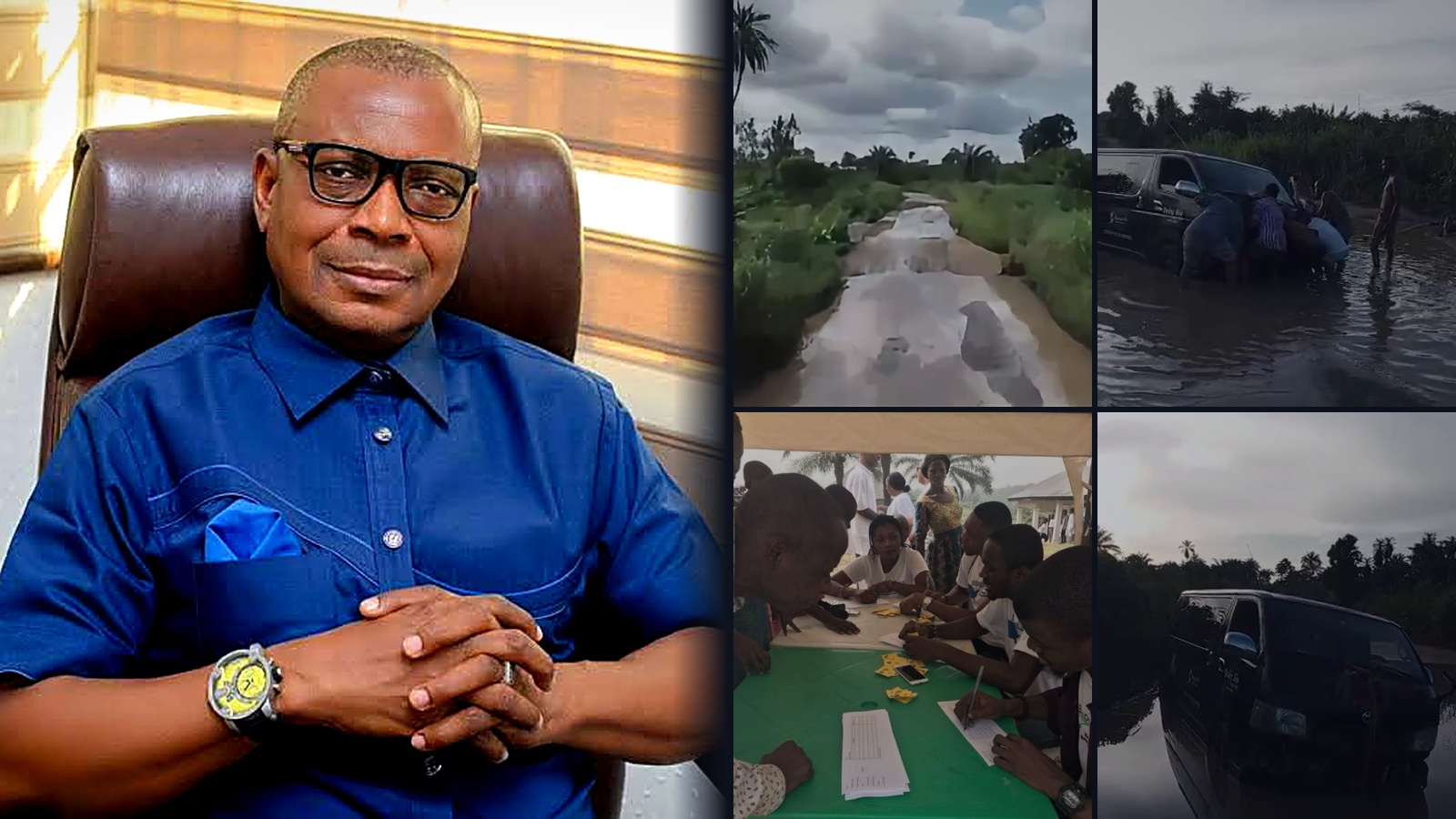
A firsthand reflection on infrastructure, power, finance, people and community responsibility
By Tony Afia Chairman, TAF Media Group
Running a business anywhere requires capital, discipline, people, patience and the ability to adapt. In Nigeria, however, the entrepreneur is often required to do much more. Beyond building the business itself, you may have to confront weak infrastructure, unreliable power, difficult access to finance, regulatory pressures and operating conditions that can turn ordinary business decisions into daily tests of endurance.
I write from experience. For well over a decade, we have invested in broadcasting and media in Akwa Ibom State through TAF Media Group, including Planet Radio 101.1 FM, Spectrum Television and TangSio FM 102.7. Our experience has shown me that the real story of private enterprise in Nigeria is not simply how much money a company makes. It is also how much of the environment around the company it must carry on its shoulders just to remain open, employ people and serve its community.
Building a Media Institution
When we entered private broadcasting, our objective was not merely to own radio and television stations. We wanted to build institutions that could inform, educate and entertain, while giving ordinary people a platform to be heard. Planet Radio and Spectrum Television helped expand the space for privately owned broadcasting in the Akwa-Cross region, and over the years the group has invested heavily in studios, transmitters, towers, power systems, internet connectivity, vehicles, equipment, training and human capital.
The visible part of broadcasting is what the audience hears and sees. The invisible part is the cost of keeping the signal alive every day. A station cannot simply switch off because the public power supply fails. News must still be gathered. Presenters must still go on air. Transmitters, studios, editing systems, servers and cooling equipment must continue to work. That means private investment must repeatedly fill gaps that functioning infrastructure should ordinarily cover.
The Road to the Station
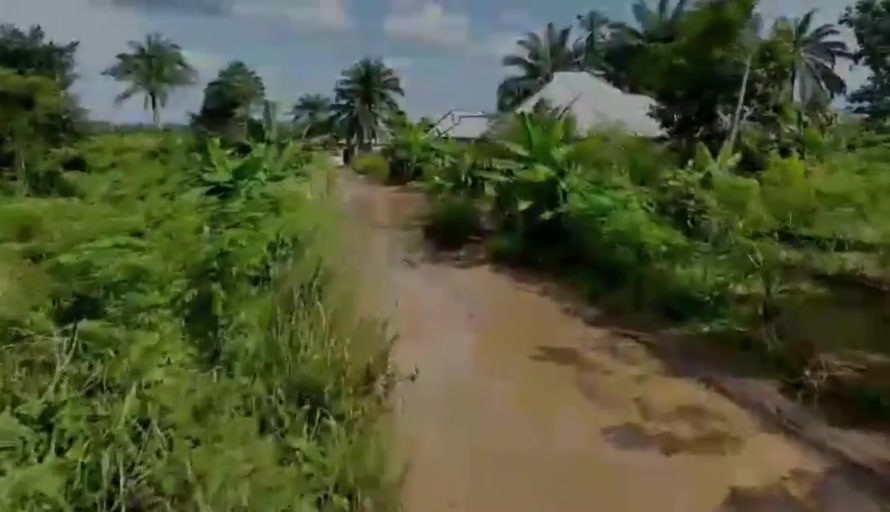
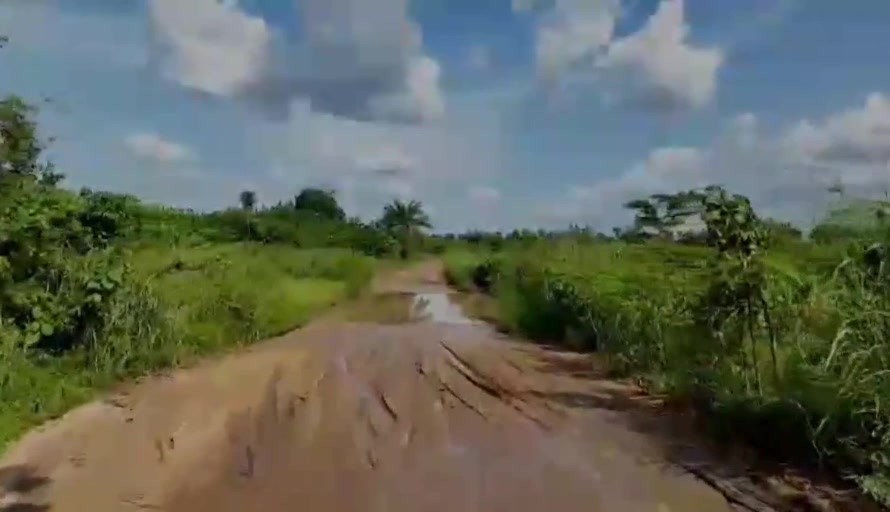
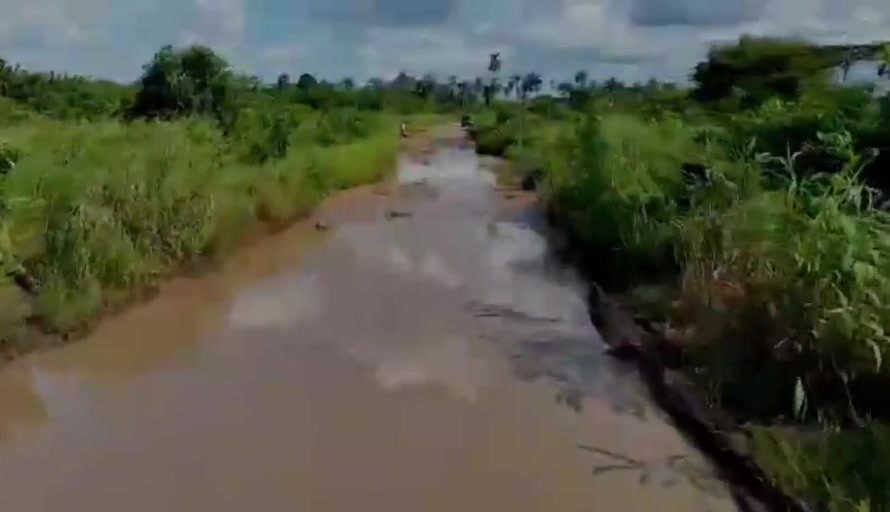
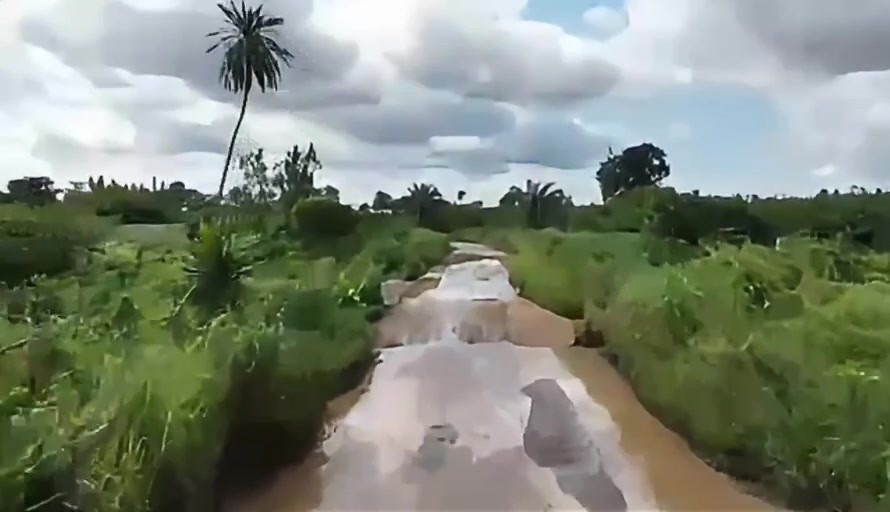
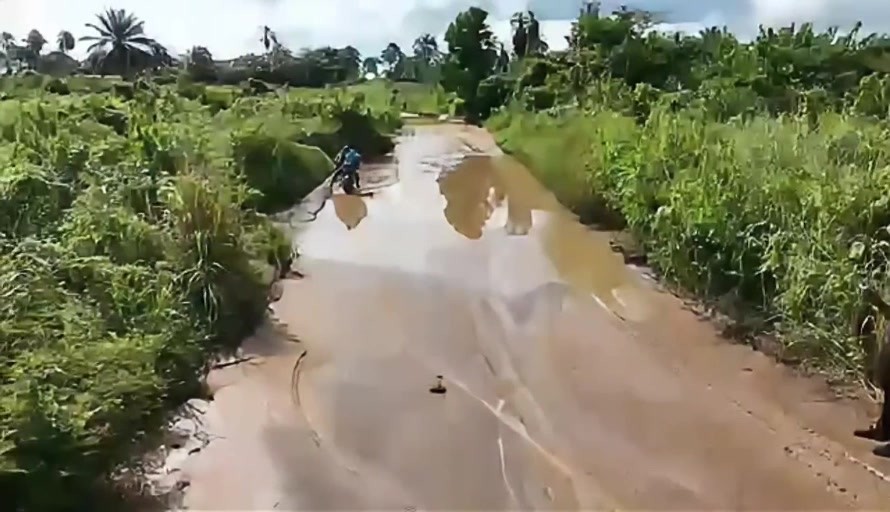
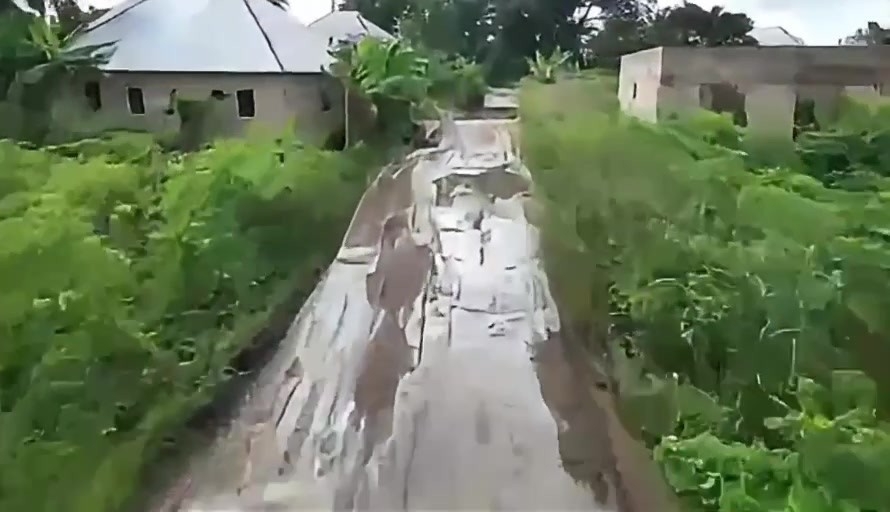
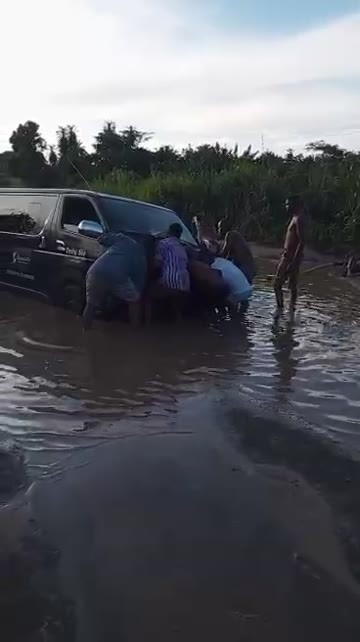
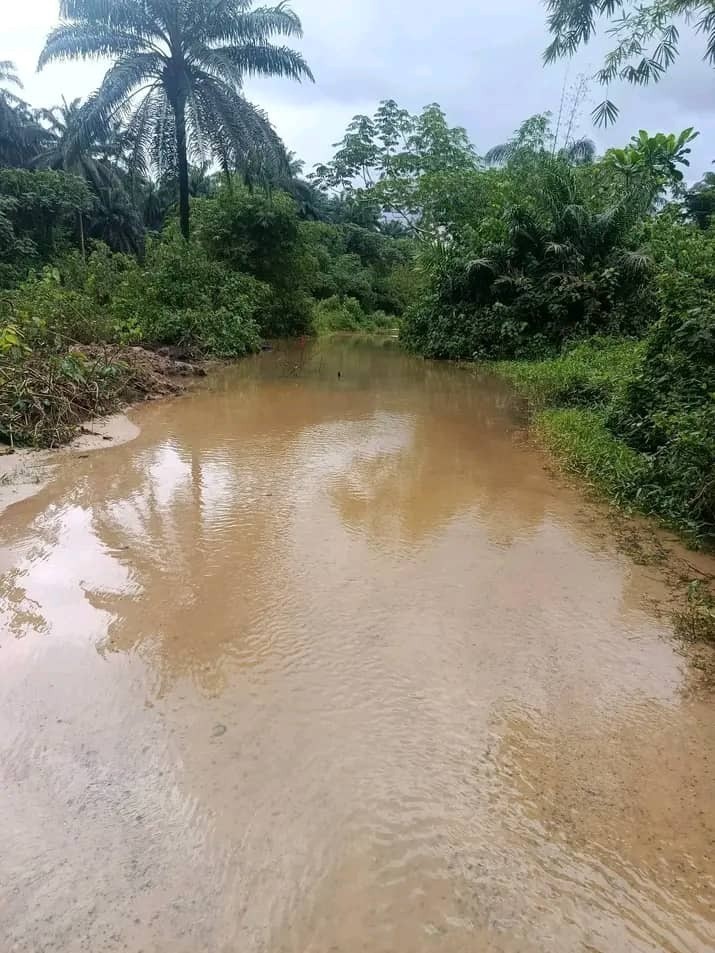
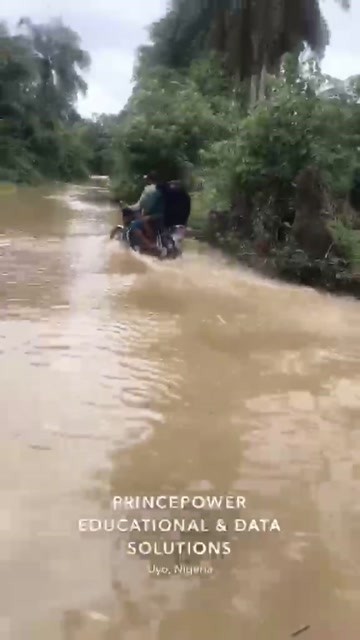
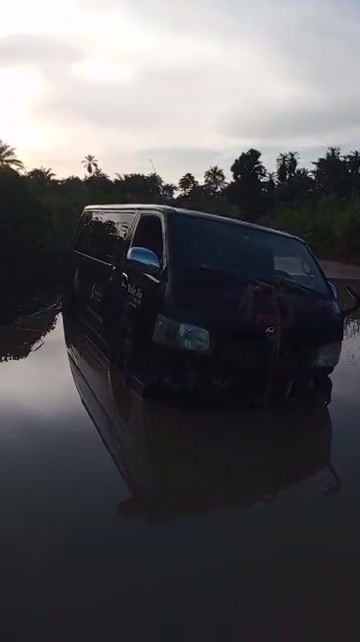
One of the clearest examples is the road leading to our facility in Ibiaku Uruan. Access to a major media investment should not itself be an obstacle course. Yet the condition of the road has affected staff, visitors, vehicles, equipment movement and the general cost of operating the business. During heavy rains, sections become particularly difficult. Vehicle maintenance becomes another hidden tax on the business, while staff and guests must spend more time simply getting to and from work.
This is not a complaint peculiar to one company. It illustrates a wider problem: when basic public infrastructure is inadequate, businesses pay twice – first through taxes and levies, and again by privately absorbing the consequences of the infrastructure gap.


Electricity: A Business Within the Business
Power is another major burden. Broadcasting is power-intensive, and the cost is not limited to the electricity bill itself. A serious media operation must maintain generators, fuel, batteries, UPS systems, voltage protection, air-conditioning and technical redundancy because an interruption can take a station off air and damage expensive equipment.
Our electricity billing records from 2024 through June 2026 illustrate the scale and volatility of the burden. In 2024, electricity bills totalled approximately ₦14.26 million. In 2025, they rose to approximately ₦17.23 million. For the first six months of 2026 alone, the bills totalled approximately ₦2.29 million. The records also show substantial changes in tariff rates and a mix of metered and estimated billing. These figures are electricity bills alone; they do not include the full cost of diesel, generator servicing, replacement parts, UPS batteries and other backup systems required to keep broadcasting continuously.
2024 Electricity Billing
| Month | Amount | Billing basis |
|---|---|---|
| January | ₦1,896,527.20 | Metered |
| February | ₦1,137,878.13 | Metered |
| March | ₦915,319.75 | Metered |
| April | ₦916,140.63 | Metered |
| May | ₦954,935.68 | Metered |
| June | ₦1,125,719.76 | Estimated |
| July | ₦1,322,624.17 | Estimated |
| August | ₦871,585.91 | Estimated |
| September | ₦1,227,714.50 | Estimated |
| October | ₦1,231,425.43 | Estimated |
| November | ₦1,267,434.68 | Estimated |
| December | ₦1,394,228.14 | Estimated |
| Total | ₦14,261,533.98 |
2025 Electricity Billing
| Month | Amount | Billing basis |
|---|---|---|
| January | ₦4,347,877.31 | Estimated |
| February | ₦1,250,357.28 | Metered |
| March | ₦1,393,634.93 | Estimated |
| April | ₦1,639,624.48 | Estimated |
| May | ₦1,885,694.60 | Estimated |
| June | ₦2,218,443.13 | Estimated |
| July | ₦1,000,000.00 | Estimated |
| August | ₦800,108.76 | Estimated |
| September | ₦800,106.76 | Estimated |
| October | ₦800,156.76 | Estimated |
| November | ₦800,108.76 | Estimated |
| December | ₦298,366.41 | Metered |
| Total | ₦17,234,479.18 |
2026 Electricity Billing – January to June
| Month | Amount | Billing basis |
|---|---|---|
| January | ₦347,320.99 | Metered |
| February | ₦389,257.72 | Metered |
| March | ₦405,867.97 | Metered |
| April | ₦364,753.43 | Metered |
| May | ₦334,421.66 | Metered |
| June | ₦449,921.26 | Metered |
| Total | ₦2,291,543.03 |
Electricity billing records supplied by TAF Media Group: 2024, 2025 and January-June 2026.
Access to Finance: When Repayment Is Not the End
The difficulty of doing business can continue even after a company has met its obligations. After establishing our television operation, we obtained a ₦30 million working-capital facility from a Nigerian bank and deposited original property documents as security. The loan was fully repaid. Yet, about a year after repayment, despite repeated requests, the original security documents have still not been returned to us.
I have deliberately chosen not to name the bank at this stage. The point is not to conduct a trial in the media. The point is to show how a business can complete its side of a financial transaction and still spend valuable management time trying to recover documents that should ordinarily be released after the obligation has been discharged. If the matter cannot be resolved, we may have no alternative but to seek legal redress.
Investing in People
The greatest investment we have made is in people. Broadcasting requires talent, but talent must be developed. Over the years, we have trained presenters, reporters, producers, technicians, camera operators, editors, marketers and administrative staff. Many people who passed through our system have gone on to work elsewhere in broadcasting and related fields. In an industry where experienced hands are limited, private media companies often become training institutions as well as employers.
Our stations have also created livelihoods beyond formal payroll. Media activity supports vendors, transport operators, technicians, freelancers, entertainers, content creators and many other small businesses. Even something as simple as helping a worker acquire mobility can change that person’s ability to earn a living. This is part of the wider economic value that a functioning private company creates.
A Platform for the Community
Our responsibility has never ended at the studio door. We have provided platforms where citizens can discuss public affairs, governance, community problems, family issues, health, education and everyday concerns. Those conversations have taken place both in English and in our local dialect, because meaningful public communication must reach people in the language in which they are most comfortable.
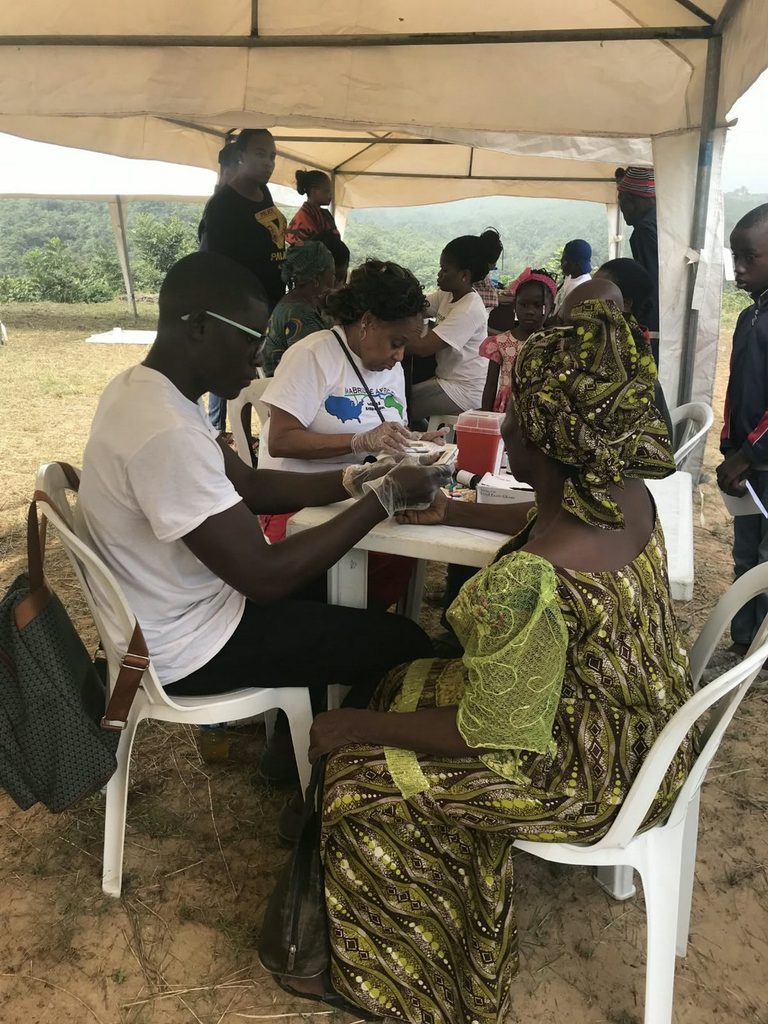
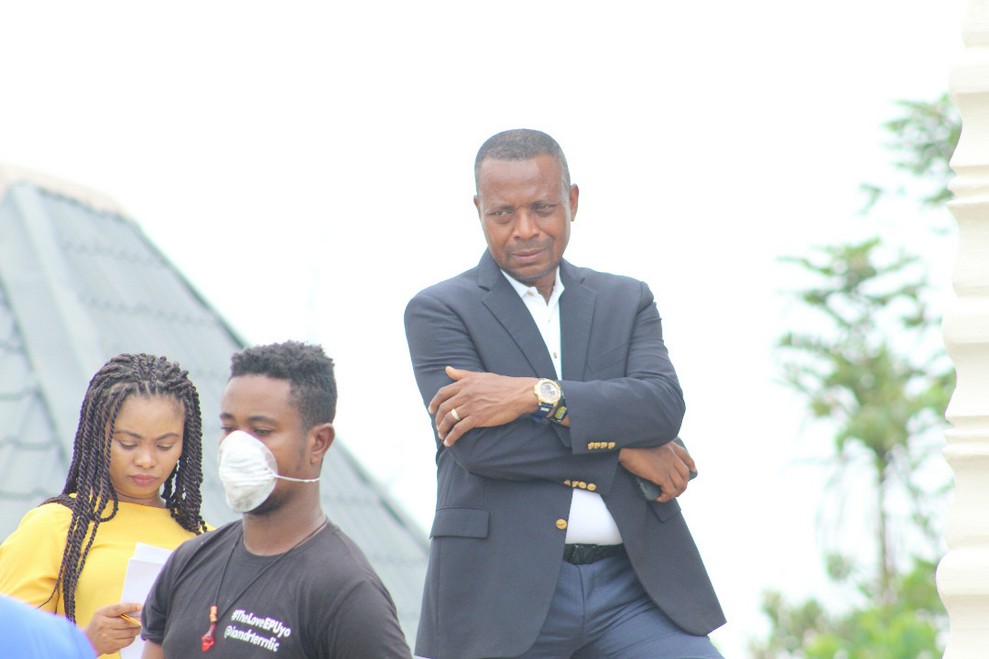
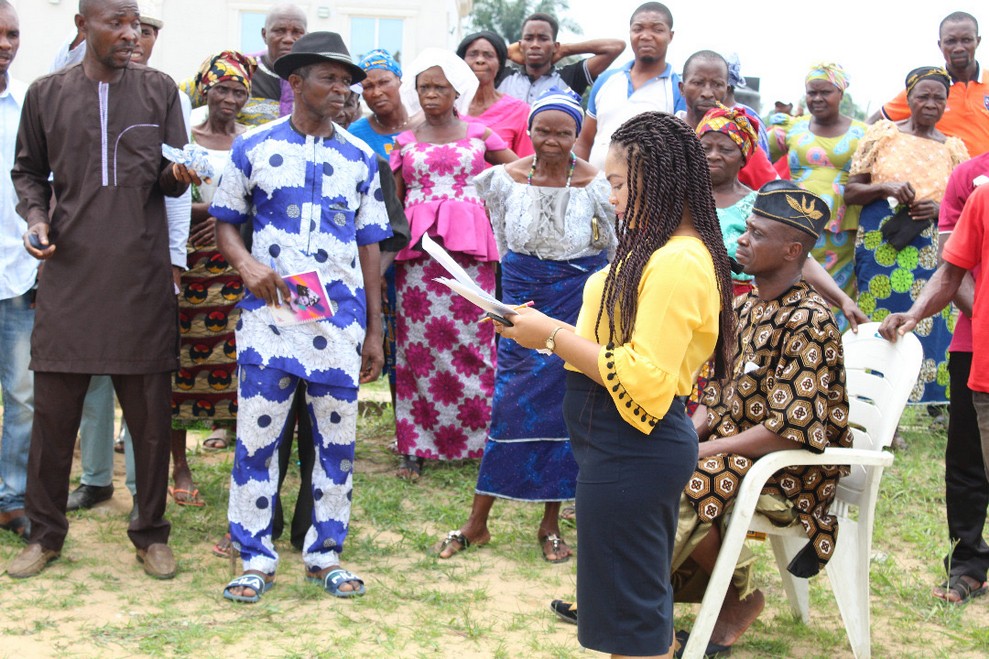
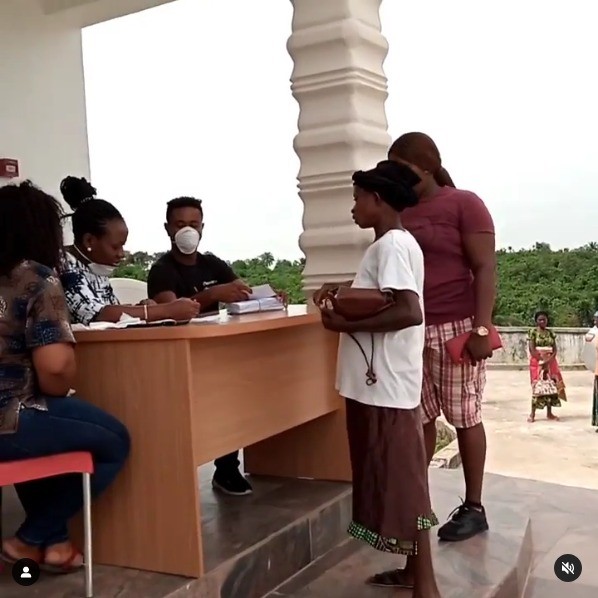
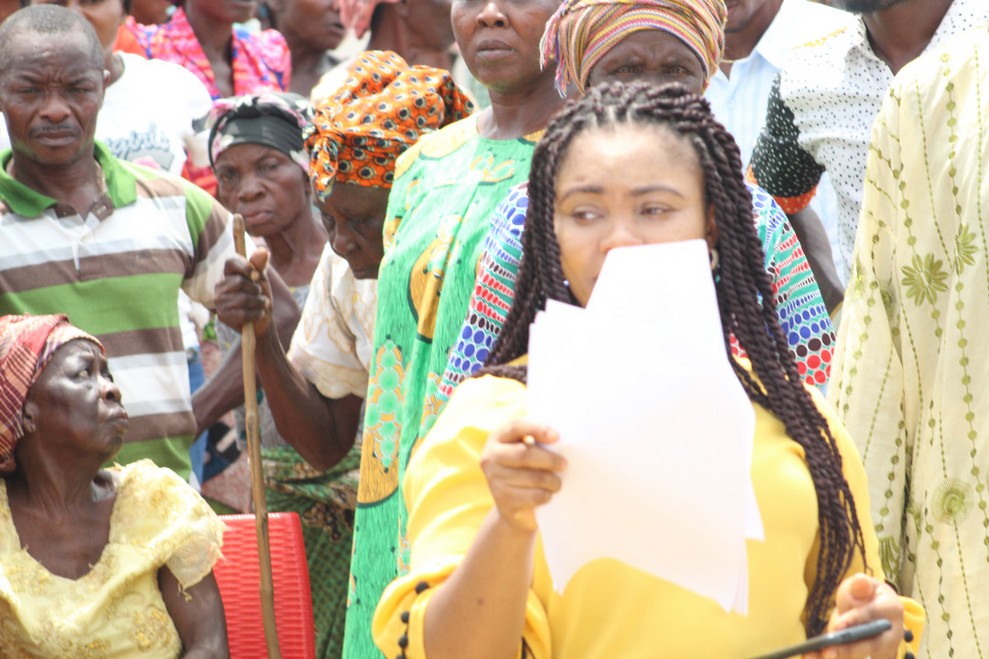
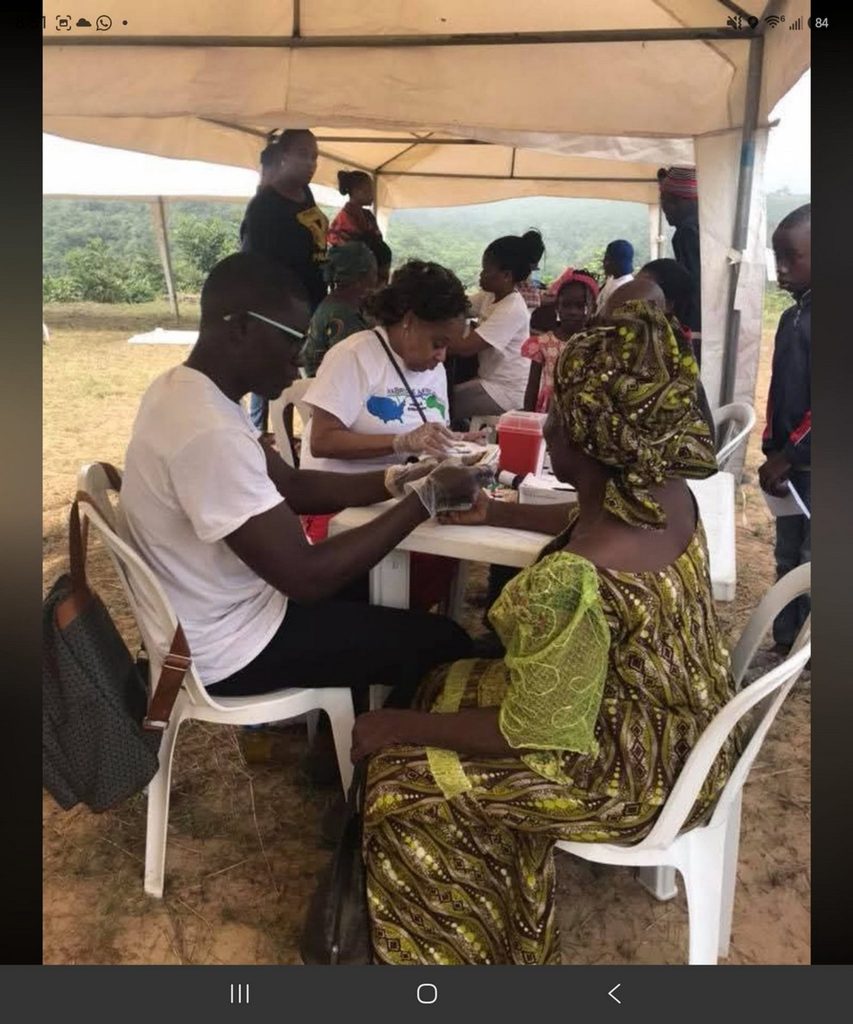
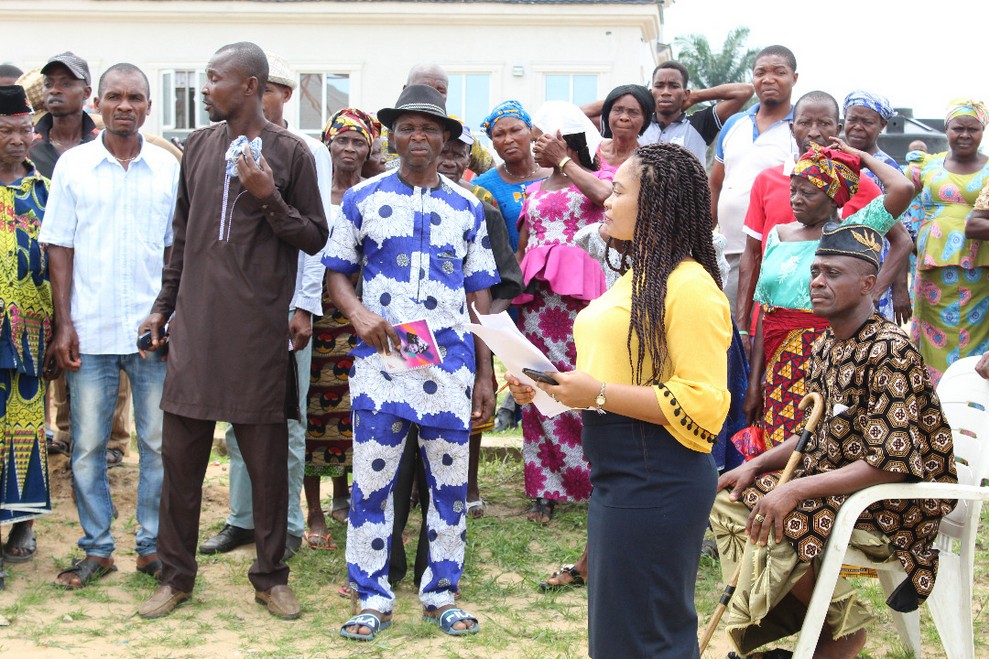
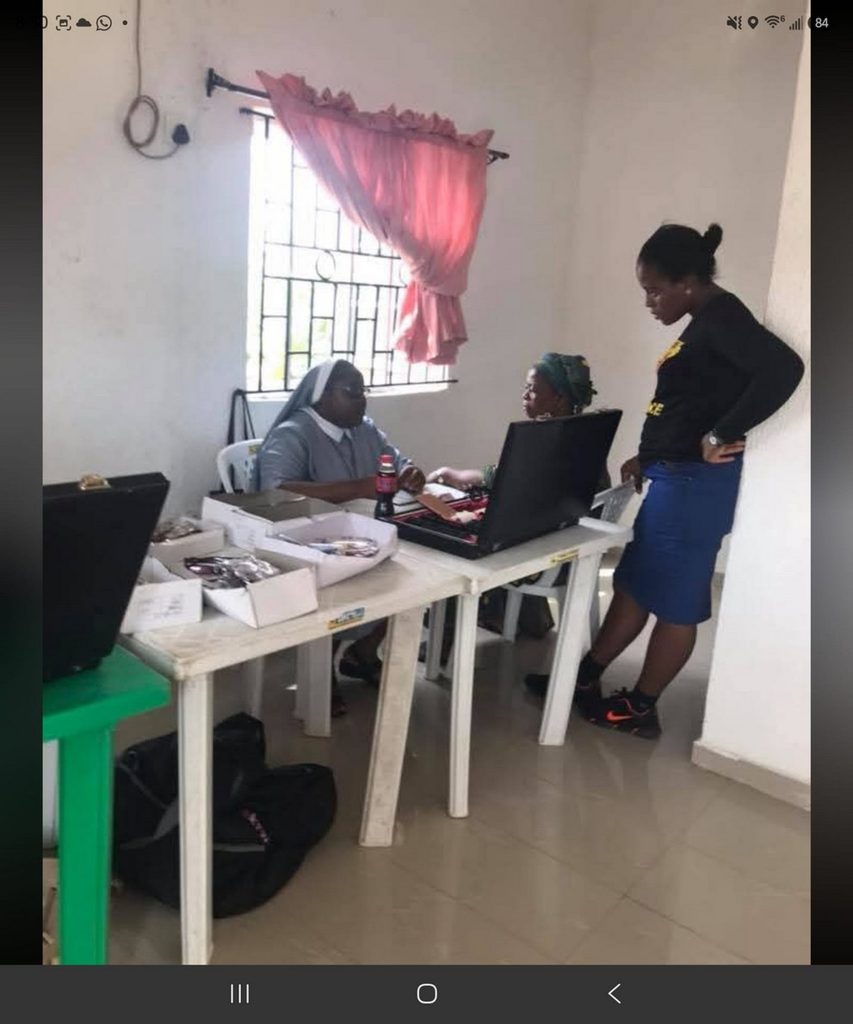
We have also supported medical missions, scholarships and community assistance. We have helped people who had never travelled by air experience their first flight on Ibom Air. During the COVID-19 period, when many families and elderly or vulnerable people were under severe pressure, we provided direct assistance, including money and other support. These were not advertising exercises. They reflected a belief that a media organization that depends on a community should also stand with that community when it is in need.
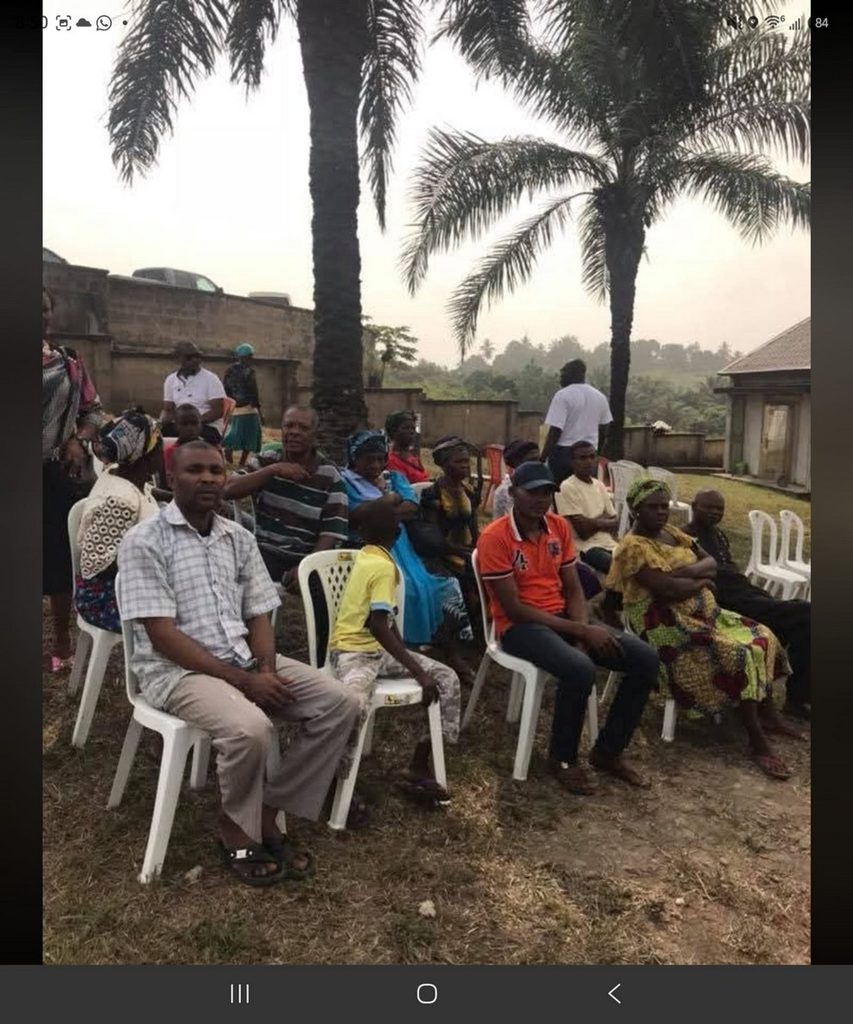
The Reigners Bible Church Tragedy
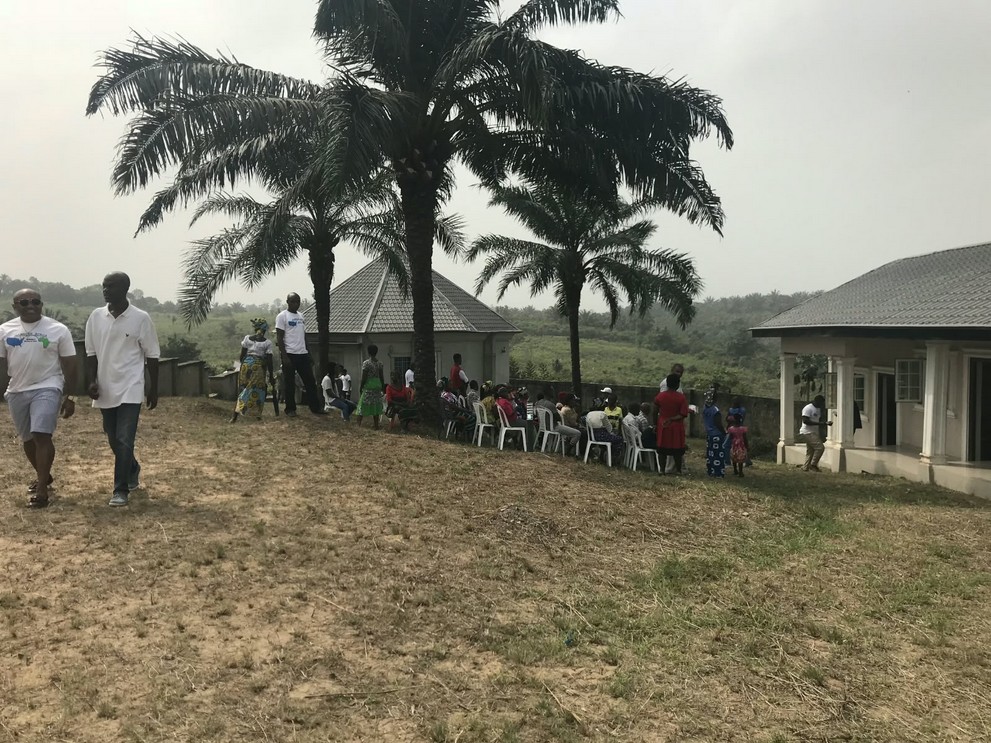
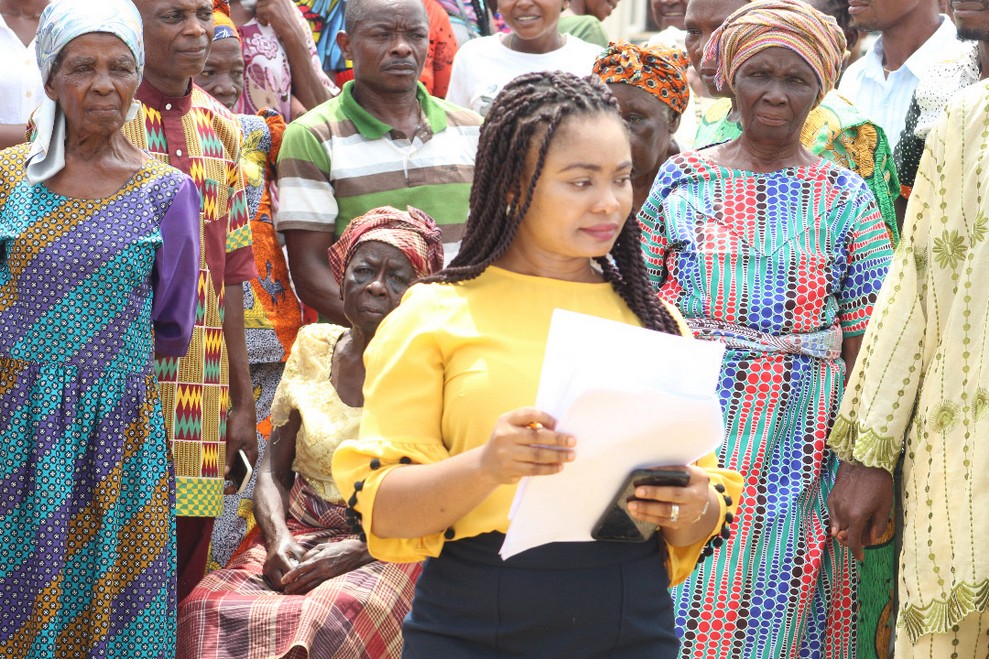
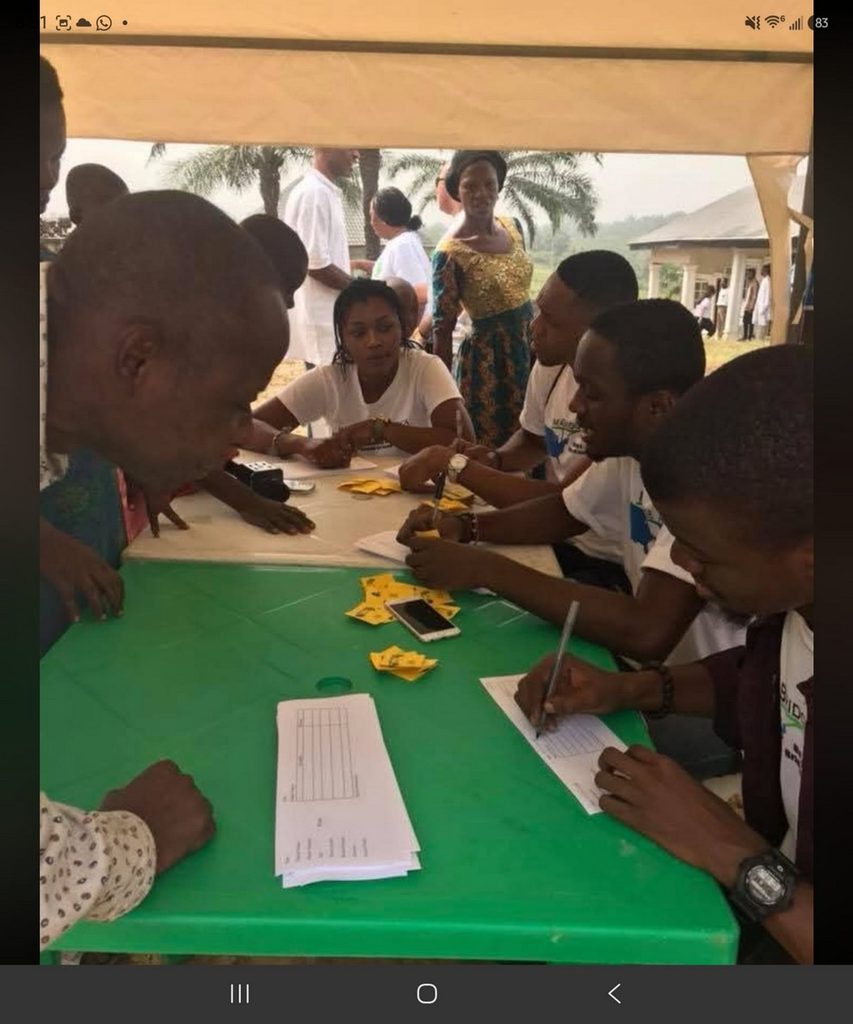
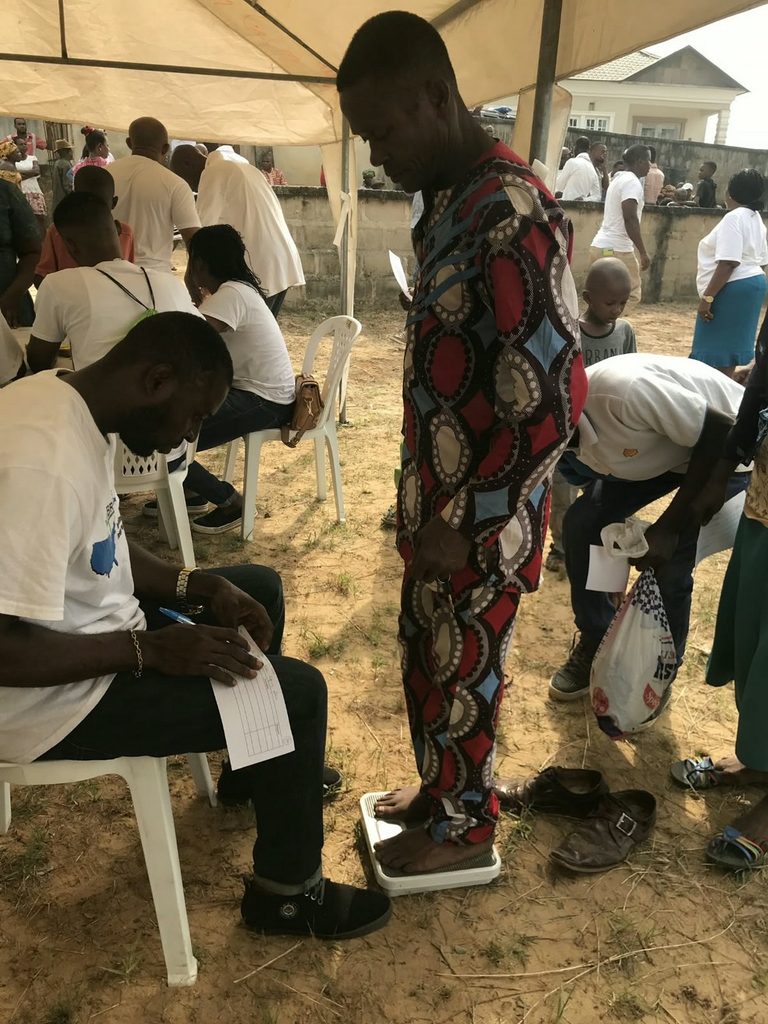
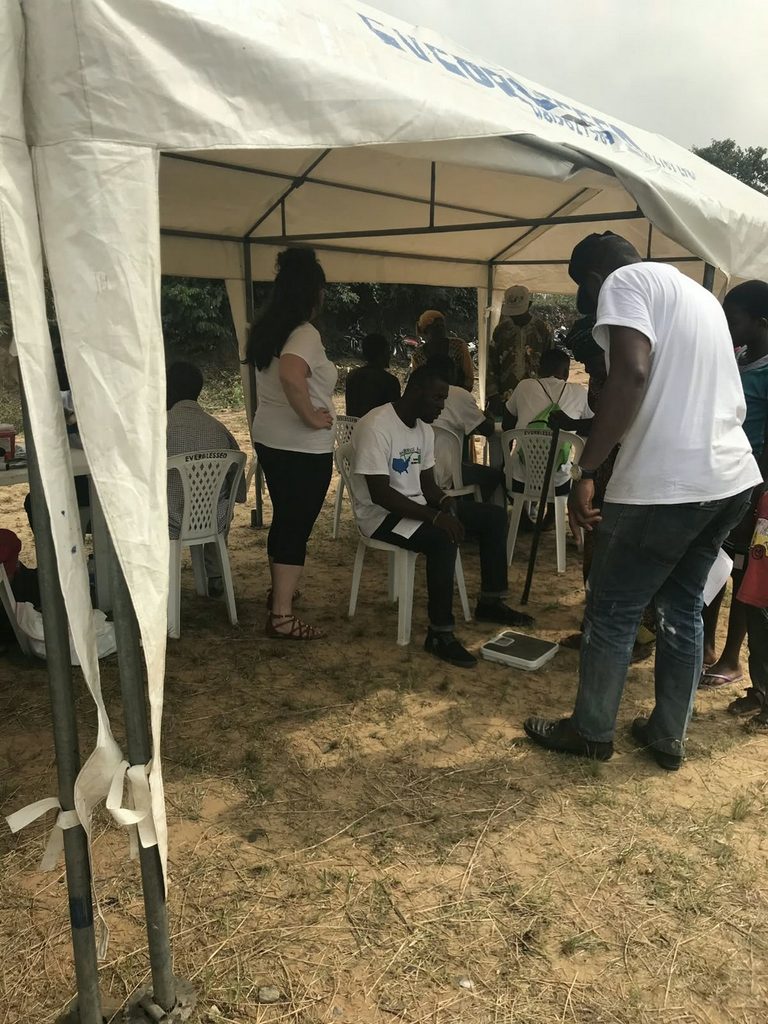
Following the Reigners Bible Church tragedy on December 10, 2016, Planet FM 101.1 launched a public fundraising campaign to assist those injured in the collapse and the families of those who lost their lives. I personally contributed ₦1,000,000 to the relief fund. Another donor contributed, while additional contributions from members of the public and other donors brought the total amount raised to ₦3,441,935.
To ensure transparency and proper distribution of the funds, Planet FM constituted a committee headed by Barrister Clifford Thomas. Contemporary records available to us indicate that 54 victims and representatives of deceased victims were screened for assistance, with beneficiaries categorized according to the severity of their injuries and losses.
The initiative was important to me because I believed that Planet FM’s responsibility to the community extended beyond reporting the tragedy. We had the ability to use the station’s reach to mobilize people to help fellow citizens at a moment of extraordinary pain, and we did so.
What the Numbers Do Not Show
A balance sheet can show revenue, salaries, electricity, fuel, repairs and taxes. It does not fully show the hours lost dealing with infrastructure failures, the management time spent following up on unresolved matters, the damage caused by poor roads, the cost of training people who may later leave, or the constant need to create backup systems for services that should be dependable.
Nor does a balance sheet fully capture the social contribution of a business: the people trained, the families supported by salaries, the vendors who earn from the company, the public debates made possible, the medical and humanitarian interventions, and the confidence created when a local enterprise survives year after year.
So, What Does It Really Take?
It takes money, certainly. But money is only the beginning. It takes resilience. It takes the willingness to solve problems that are not supposed to be yours. It takes the patience to work through systems that can be slow and unpredictable. It takes investment in people. It takes the discipline to keep going when operating costs rise faster than revenue. And it takes a sense of responsibility to the community that sustains the business.
Nigeria has extraordinary entrepreneurial energy. Nigerians build, improvise, adapt and survive under conditions that would test businesses anywhere in the world. Imagine what those same entrepreneurs could accomplish if roads worked, electricity was dependable, contracts and financial processes were more efficient, and public institutions consistently reduced rather than increased the cost of doing business.
The purpose of this reflection is not to say that business in Nigeria is impossible. Our own continued existence proves otherwise. It is to ask a more important question: how much more productive, innovative and competitive could Nigerian businesses become if they were allowed to spend more of their energy building their companies instead of repeatedly replacing the basic systems around them?
That, to me, is the real question behind what it takes to run a business in Nigeria.
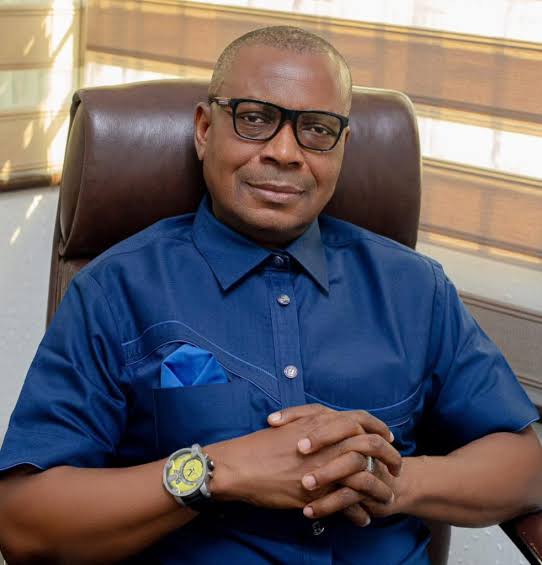
Tony Afia Chairman, TAF Media Group