

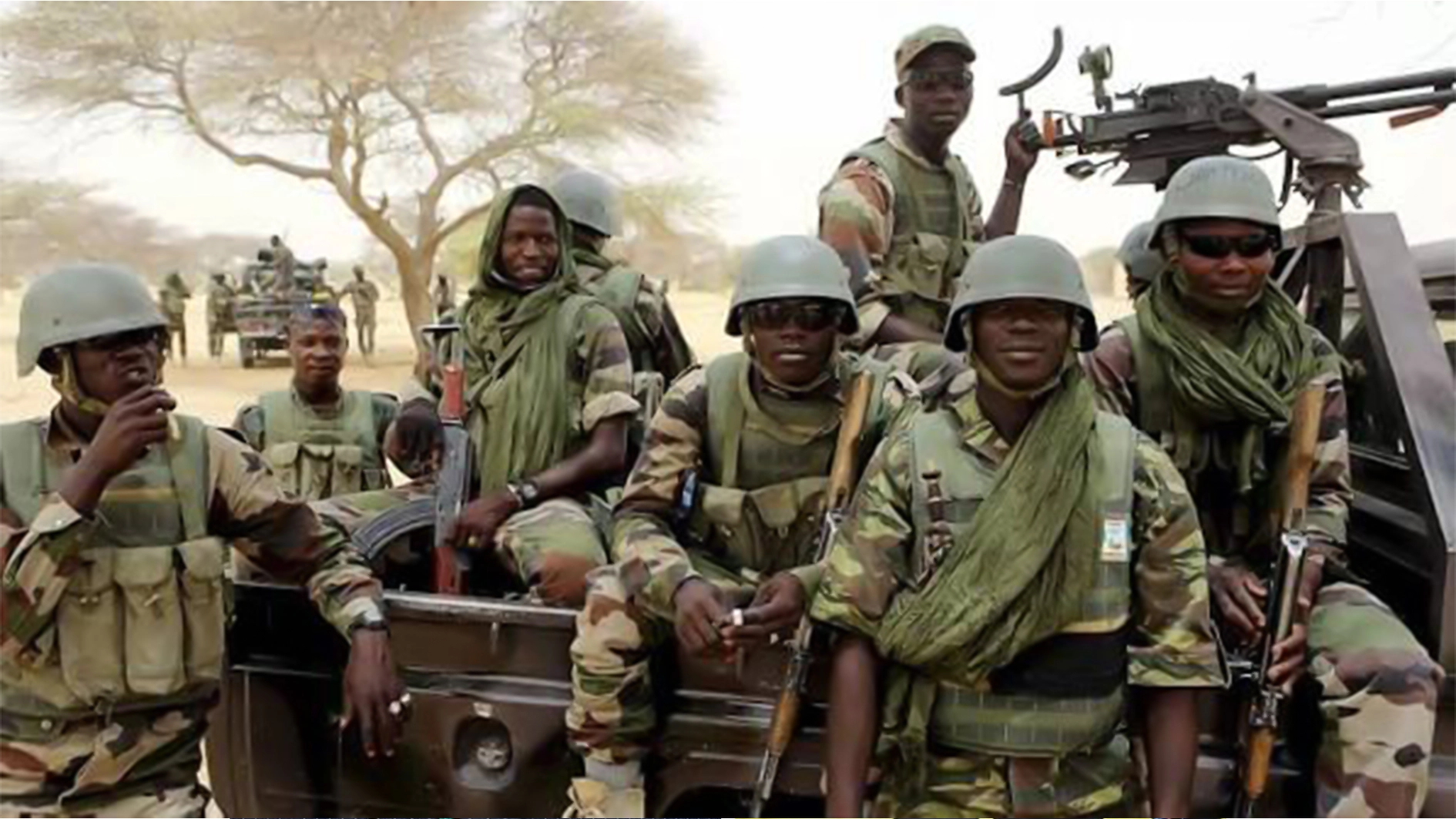
The Federal Government disbursed ₦5.15 trillion in special intervention funds to the Nigerian military and other security agencies between November 2023 and September 2026, amid persistent insecurity across the country.
An analysis of documents from the Federation Account Allocation Committee (FAAC), obtained by The PUNCH, showed that ₦5.65 trillion was received into a dedicated special intervention account during the period, with ₦5.15 trillion, representing 91.15 per cent, already disbursed.
The funds were sourced from the Federation Account and other government revenue streams, including non-oil revenue and transfers from the FAAC Withheld Account.
The records, contained in a ledger prepared by the Federation Account Department of the Office of the Accountant-General of the Federation, showed that the disbursements were made through 30 payment transactions between November 8, 2023 and September 23, 2026.
The special intervention funds were separate from the regular annual budgetary allocations to the Ministry of Defence and other security institutions. However, the documents did not provide a detailed breakdown of the specific military operations, equipment purchases, personnel costs or security projects funded with the money.
The intervention programme began with a ₦100 billion transfer in October 2023. The funding arrangement subsequently continued largely through monthly allocations of ₦100 billion during 2024 and into 2025.
By September 2025, cumulative disbursements had reached ₦2.4 trillion.
However, the scale of the intervention increased significantly in 2026, with individual transfers rising from the earlier ₦100 billion pattern to between ₦200 billion and ₦500 billion.
According to the records, ₦3.25 trillion had been received into the intervention account in 2026 up to October 14, while ₦2.75 trillion had been disbursed during the year. The 2026 disbursements alone accounted for about 53.4 per cent of the total ₦5.15 trillion released since the programme began.
As of October 14, the account had an outstanding balance of ₦500 billion following the latest transfer recorded without a corresponding disbursement in the ledger.
The substantial increase in security spending comes as Nigeria continues to face terrorism, banditry, kidnapping and other violent crimes across several regions.
In the North-East, military operations continue against Boko Haram and the Islamic State West Africa Province, while banditry and mass abductions remain major concerns in parts of the North-West and North-Central regions.
The continued attacks have also raised questions about the effectiveness of increased security spending, particularly following recent deadly attacks in communities such as Binnari in Taraba State.
Meanwhile, the Federal Government has commenced a review of the 2019 National Security Strategy to develop a new framework for addressing emerging threats.
National Security Adviser, Nuhu Ribadu, said the country’s security environment had changed significantly since the last review, with threats now extending beyond terrorism and insurgency to include cybercrime, misinformation, economic vulnerabilities, food insecurity and climate-related challenges.
The review is expected to produce a National Security Strategy 2026 aimed at improving coordination between security institutions and creating a broader approach to national security and resilience.
Despite the increased financial commitment, security remains one of the country’s most pressing challenges, with the government under continued pressure to translate increased funding into improved protection of lives, property and communities.