

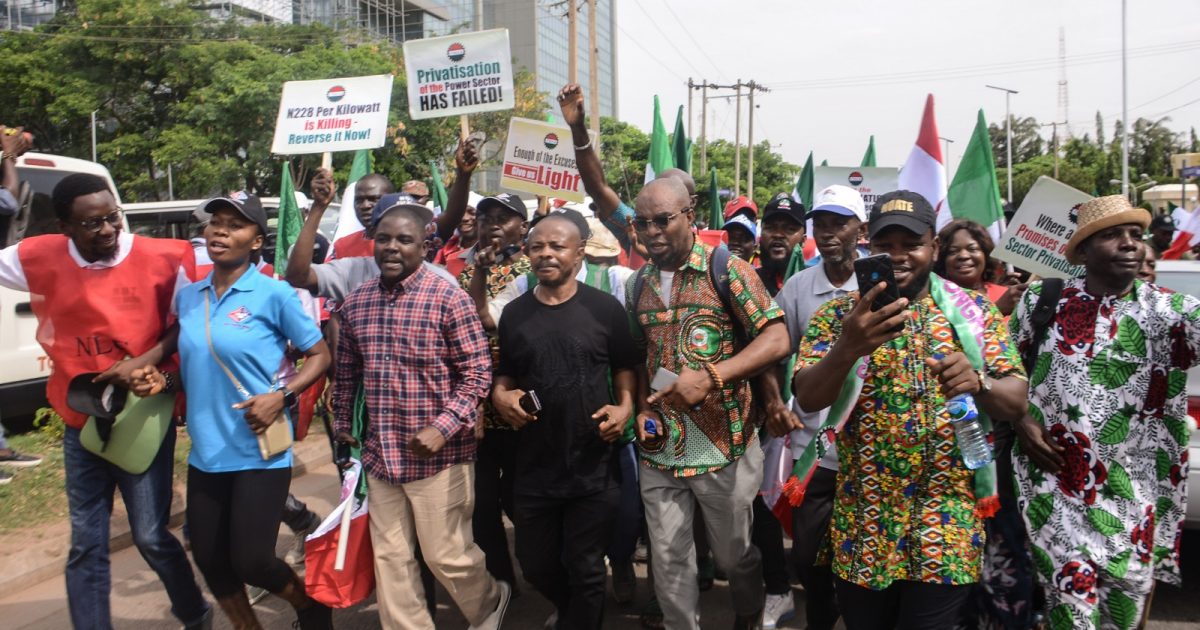
As workers across Nigeria join millions worldwide to commemorate International Workers’ Day, the mood in the country is markedly subdued, reflecting widespread frustration over worsening economic conditions.
Rather than celebration, many Nigerian workers say they are grappling with deepening financial strain, stagnant wages, and diminishing job opportunities. Across multiple sectors, employees report ongoing layoffs, weak labour protections, and unsafe working environments, raising concerns about the state of workers’ rights.
This year’s theme, “Reclaiming the Civic Space Amid Economic Hardship,” underscores growing dissatisfaction among the workforce. Labour groups and employees alike describe a climate of rising inflation, insecure employment, and what they perceive as continued neglect by authorities.
Despite assurances of economic reforms in recent months, many workers say tangible improvements have yet to materialize. The disconnect between policy promises and lived realities has fueled calls for urgent action to address wage stagnation, enforce labour laws, and improve working conditions nationwide.
As the country marks the global observance, the voices of Nigerian workers highlight a pressing demand for accountability and meaningful change in the face of mounting economic challenges.