

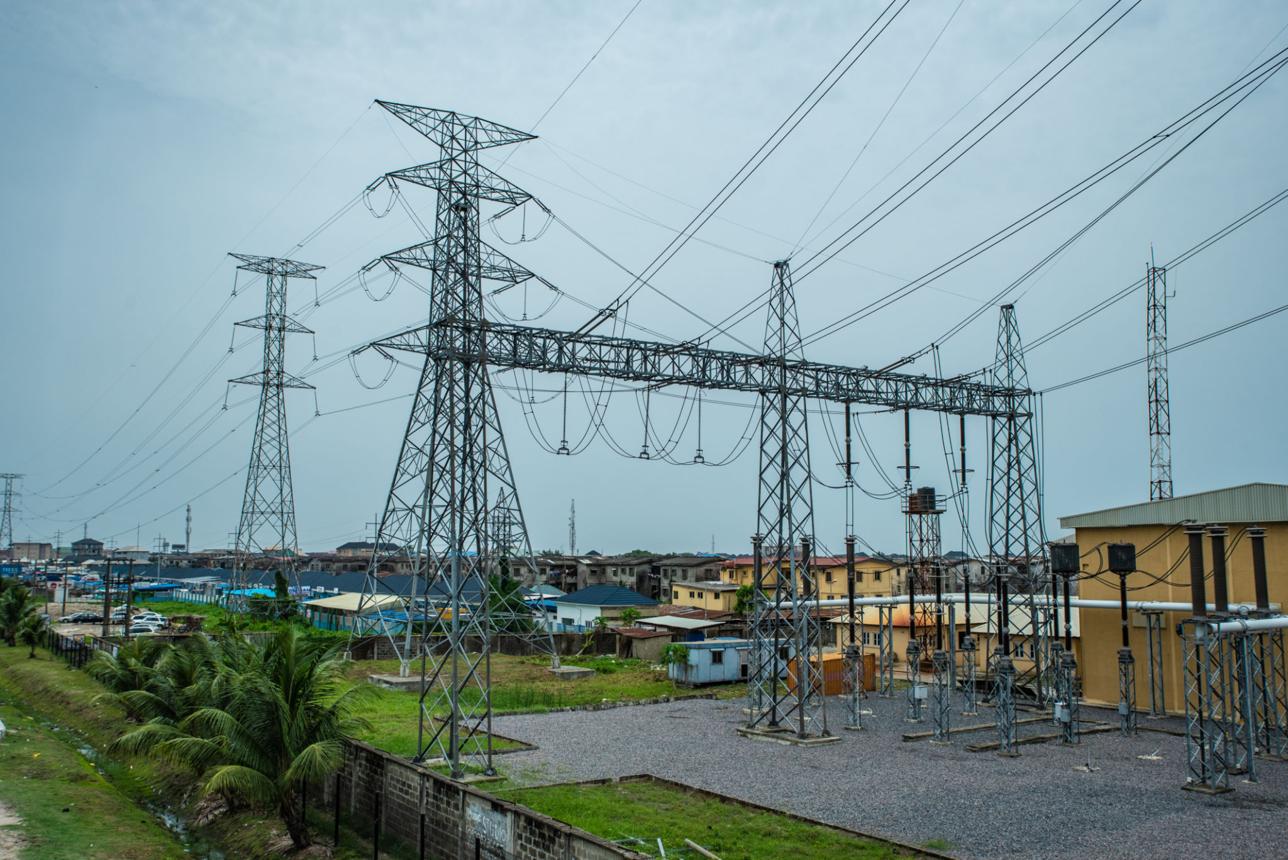
Nigeria’s electricity crisis has worsened as gas supply constraints and reduced water inflows into hydroelectric reservoirs continue to limit power generation, leaving households and businesses with fewer hours of electricity.
The Nigerian Independent System Operator (NISO) disclosed on November 5 that the decline in electricity generation was largely caused by inadequate gas supplies to thermal power stations and reduced output from hydroelectric plants.
According to the operator, limited gas availability has prevented some thermal generating stations from operating at their available capacity, while lower water inflows into reservoirs have affected the generation capacity of hydroelectric facilities.
NISO said the combined constraints had reduced the volume of electricity available for distribution, forcing electricity distribution companies (DisCos) to cut supply hours and increase load shedding across their networks. The impact, it added, varies according to the electricity available and the allocations received by individual DisCos.
The situation has intensified concerns among consumers already grappling with prolonged outages, particularly in parts of Lagos, Abuja, Ogun, Kwara and Oyo, where residents and businesses have reported deteriorating supply.
Data reported on November 8 indicated that the 11 electricity distribution companies received a combined allocation of 2,926 megawatts, reflecting the limited power available for distribution at the time. The shortfall has increased dependence on petrol and diesel generators, adding to the operating costs of businesses and the financial pressure on households.
However, the Nigerian National Petroleum Company Limited (NNPC) has offered a clarification regarding the gas situation. In a statement issued on November 6, the company said the gas transportation network operated by its subsidiary, NNPC Gas Infrastructure Company, remained available to support deliveries to power plants.
NNPC explained that the availability of transportation infrastructure should be distinguished from actual gas production, commercial supply arrangements and deliveries to individual generating stations. It called for a coordinated review involving gas suppliers, transporters, power generators and NISO to establish the specific constraints affecting electricity generation.
Meanwhile, the Minister of Power, Joseph Tegbe, said the government was working with NISO, the Transmission Company of Nigeria (TCN) and distribution companies to address the operational challenges and restore improved supply.
The ministry has also linked the outages to maintenance and operational issues across parts of the electricity value chain, alongside the constraints affecting gas-fired and hydroelectric generation. The minister said efforts were underway to return affected generating units to service and accelerate repairs to damaged infrastructure.
The continuing crisis has renewed concerns about Nigeria’s dependence on gas-fired power stations and hydroelectric facilities, as well as the need to strengthen the country’s energy mix and address persistent weaknesses across the electricity value chain.
For millions of Nigerians, however, the immediate concern remains the restoration of more reliable electricity supply, as prolonged outages continue to affect homes, businesses and essential services.